If these days you are looking for a lasting but minimally invasive surgical method to correct sagging skin in the temple and cheek area, you have probably come across the name “S Lift.” This method, which has recently gained many supporters among people seeking facial rejuvenation, is exactly what many have been looking for: a natural result, but without pain, without threads, without general anesthesia, and without a visible suture mark.
In this article, we will become fully acquainted with S Lift: from exactly what it is and how it is performed, to the role of rejuvenating substances and natural fibrin adhesive in the result's longevity, the recovery period, and who is a suitable candidate for this method.
What is S Lift?
S Lift is a modern, minimally invasive method for lifting the temple area and upper face without using any thread. In this technique, under local anesthesia, the loose and sagging tissues of the temple and cheek are lifted in a completely natural way and secured in a new, more youthful position.
Contrary to what many people imagine about a facelift, S Lift leaves no foreign object such as a thread or implant in the skin. The result is a lift that is completely harmonious with the face's natural form, not an artificial and noticeable change.
Why the temple? Why is this area so important?
When many people think about facial rejuvenation, they focus on the jawline, cheeks, or eye area and overlook the temple. But the reality is that sagging and hollowing of the temple is one of the first signs of facial aging. Over time, the volume of fat and collagen in this area decreases, the skin becomes loose, and this makes the brows appear slightly more drooped while fine wrinkles around the eyes and temples become more noticeable.
When the temple is lifted, its effect is not limited to that area alone; the entire upper face, including the brow and outer corner of the eye, takes on a more lifted and youthful appearance, and wrinkles in this area are noticeably reduced. This is why S Lift is considered one of the most effective methods for overall facial rejuvenation, even though many people think this area is less important.
How is S Lift performed?
The S Lift process usually proceeds as follows:
1. Consultation and facial mapping
Before taking any action, the doctor examines the facial structure, the degree of skin laxity, and the points that need lifting. This stage is very important for achieving a natural result proportionate to each person's facial form, so that the final result never takes on an artificial or exaggerated appearance.
2. Local anesthesia
Contrary to what many people imagine about cosmetic operations, S Lift does not require general anesthesia. Only the target area is numbed with local anesthesia, and you remain awake throughout every stage but feel no pain.
3. Performing the lift
Without using any thread, and with the help of a one-centimeter incision inside the hair where hair later also grows from within it, the loose tissues of the temple and upper face are gently returned to their new, more youthful position. This is exactly what means that after the operation, no trace of a suture, wound, or foreign object remains beneath the skin.
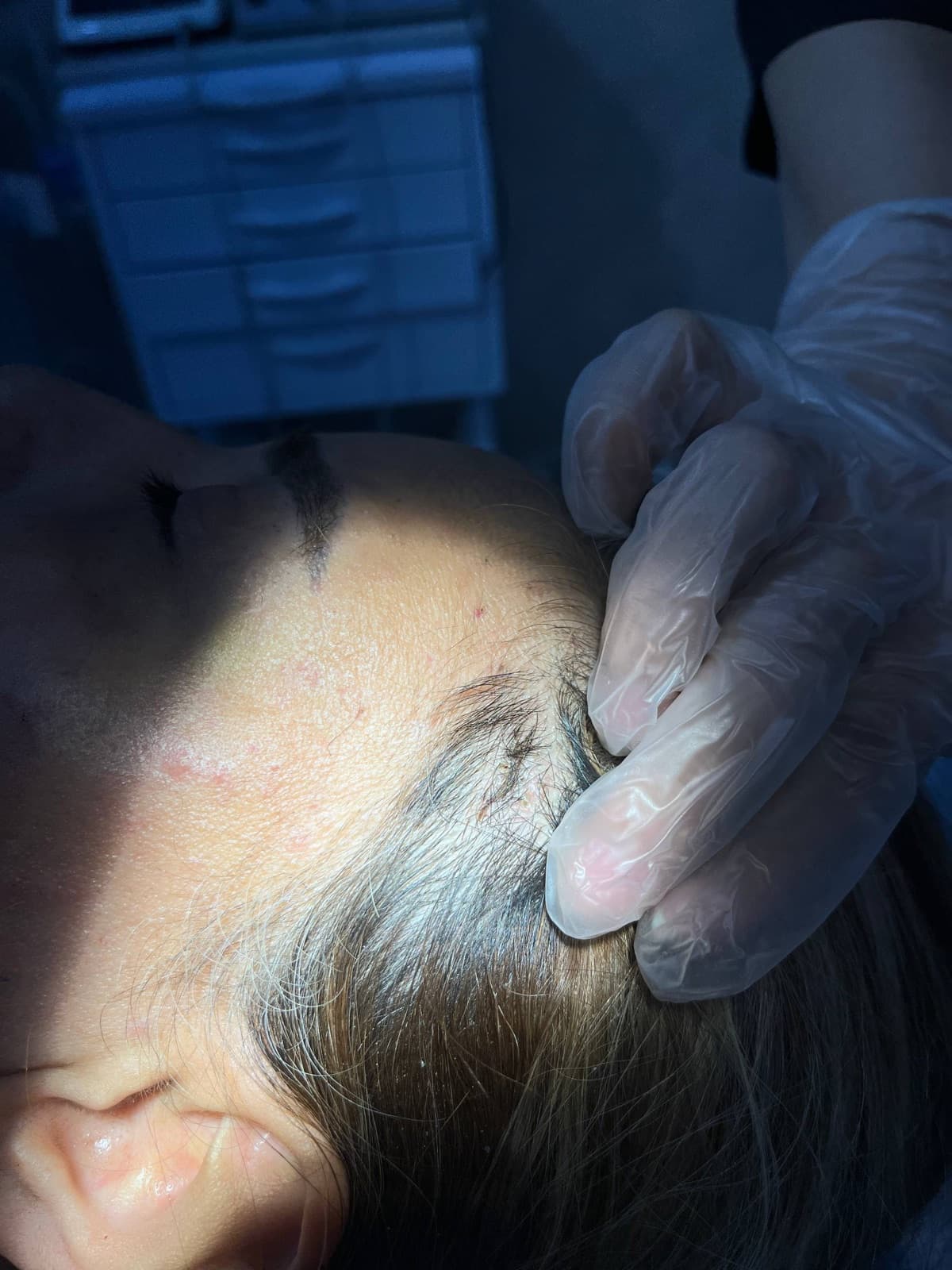
4. Injection of rejuvenating substances and natural fibrin adhesive
To make the result better and longer-lasting, in the final stage, rejuvenating substances together with a rejuvenating fibrin adhesive prepared from the person's own blood are injected into the area. Because this material is taken entirely from the person's own body, there is not only no risk of an allergic reaction or sensitivity, but it also helps stimulate natural tissue regeneration and better stabilization of the lift result.
This entire process usually takes between 30 and 60 minutes, and you can leave the clinic immediately afterward.
Pain-free, thread-free—is it really so?
This is one of the questions almost everyone asks about this method. And the answer is yes. S Lift uses only a one-centimeter incision inside the hair without using thread or any other foreign object; for this reason, no trace of a suture or open wound remains. At most, what may be seen at the treatment site is a little redness, swelling, and mild bruising, which completely disappears within a few days.
Local anesthesia also means you feel no pain while the procedure is being performed. Some people only feel a little pressure or pulling in the temple area, which is completely natural and tolerable.
The role of rejuvenating substances and natural fibrin adhesive in the longevity of the result
One point that distinguishes S Lift from many similar methods is the use of rejuvenating substances together with fibrin adhesive taken from the person's own body. This material is usually prepared and processed from a sample of the person's own blood and is then injected into the temple area.
The main benefit is that, in addition to mechanically lifting the tissue, the skin's natural regeneration and repair process is also stimulated. Put simply, the result is not merely a simple “movement” of tissue; skin quality also improves, and this makes the final result both more natural and stable for a longer period.
Because this material is taken entirely from the person, the body shows no foreign reaction or sensitivity to it, and this is one reason S Lift has become a method that is safe and compatible with the body.
S Lift is natural, not artificial
One of the greatest concerns of people considering a facelift is that the result may look too “obvious” or unnatural—a face that takes on a stretched, expressionless (mask-like) appearance, or looks surprised and overly raised. The good news is that S Lift was designed precisely to prevent this problem.
Because in this method the tissues are moved gently and in proportion to the face's natural form, and the person's own natural rejuvenating substances are also used alongside this, the final result looks completely natural. Your face still preserves its natural expressions when smiling, frowning, and in other facial expressions, with none of the immobile, mask-like face or excessively raised brows and surprised look. The aim of S Lift is to make you look younger as yourself, not to change the form of your face into something different.
How long is S Lift recovery?
One of S Lift's greatest advantages over the endoscopic method is its short recovery period. While a surgical facelift may require weeks for complete recovery, the S Lift recovery period is usually about one week.
During this week:
- A little swelling or mild bruising may be seen in the temple area, which is natural and gradually goes away.
- It is recommended to avoid direct pressure on the operated area, facial massage, and prolonged exposure to the sun.
- Sleeping with the head slightly higher than the body during the first few nights can help reduce swelling.
- Most people can return to their everyday activities from the second or third day, while following the simple care instructions recommended by the doctor.
The important point is that, unlike open surgeries, S Lift does not require extended leave or strict limitations, and with a little planning, most people can undergo this method without serious disruption to their daily lives.
When do S Lift results become visible?
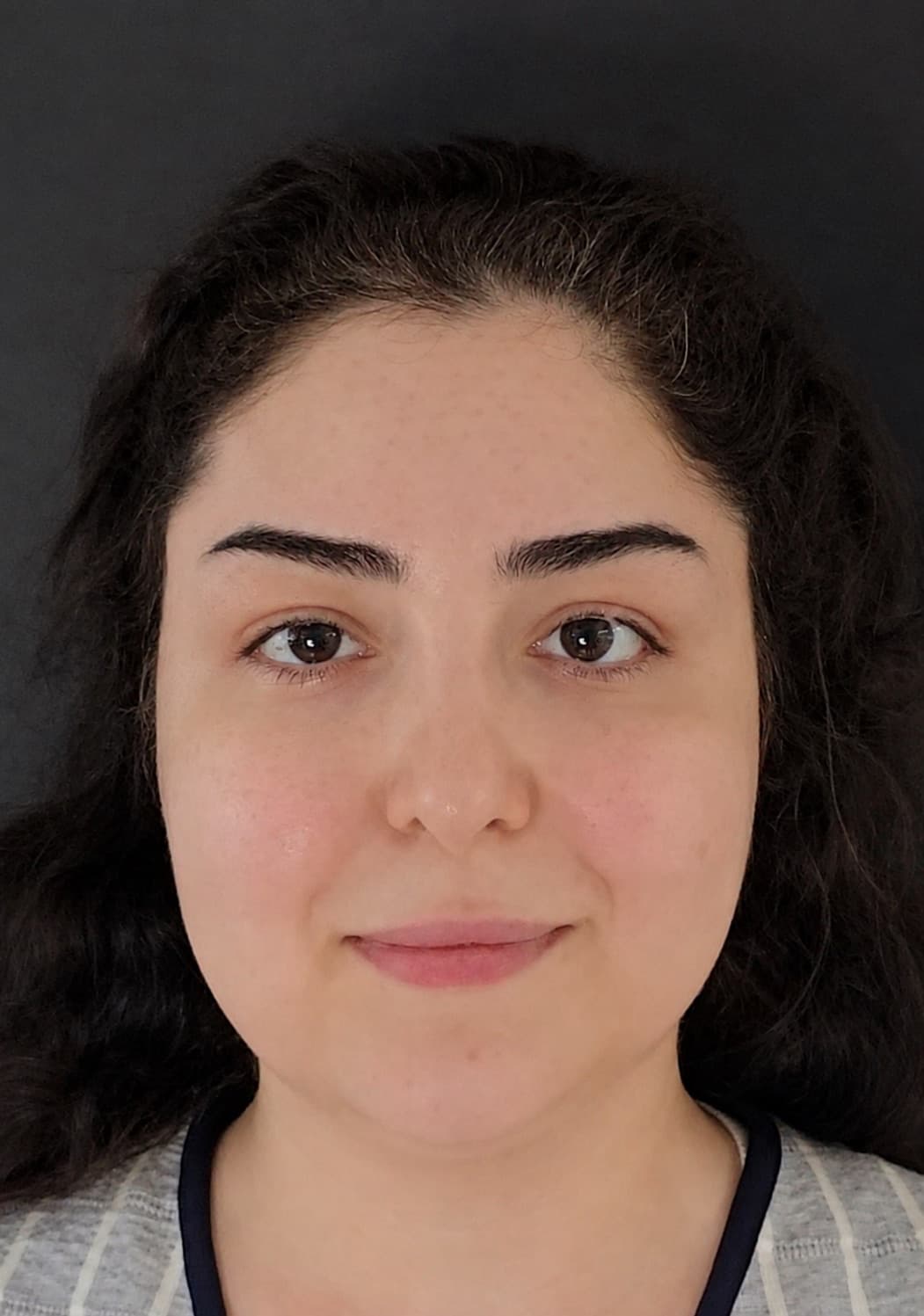
One appealing point about this method is that the initial result is visible almost immediately after the operation. However, the final and more natural result usually reveals itself fully after the initial swelling has subsided and the injected rejuvenating substances have taken full effect—that is, about one to two weeks later.
In terms of longevity, S Lift results vary depending on skin type, lifestyle, and post-operative care, but in general, combining the natural lift of the tissue with the person's own rejuvenating substances and fibrin adhesive produces a longer-lasting and more stable result, and for a long time you can enjoy the younger, fresher, wrinkle-free appearance of your face.
Who is a suitable candidate for S Lift?
S Lift is especially suitable for people who:
- Have sagging in the temple area and upper cheek.
- Are bothered by fine wrinkles around the temple and outer corner of the eye.
- Are looking for a fast, minimally invasive, thread-free method without a long recovery period.
- Are not yet ready or willing to undergo facelift surgeries.
- Want a completely natural and lasting result and are concerned about a mask-like face or an unnatural, surprised look.
Of course, the best way to make sure whether this method is suitable for you is an in-person consultation with a specialist so that the best decision can be made based on the condition of your skin and face.
The difference between S Lift and a surgical facelift
Many people become confused between these two methods. The main difference lies in how invasive they are:
Facelift surgery usually involves larger incisions, general anesthesia, sutures, and a longer recovery period (usually several weeks). In contrast, S Lift is performed without threads, with a small incision and local anesthesia, is reinforced with the person's own natural rejuvenating substances, and has a recovery period of about one week. In terms of results, surgical facelift is usually a better option for sagging in the cheek area and lower half of the face, while S Lift is considered an intelligent, lower-risk choice for sagging in the temple area, with a completely natural and lasting result.
Tips for better care after S Lift
To help your S Lift result be in the best possible condition, following a few simple tips can help greatly:
The sutures on the skin must be removed no later than three days afterward
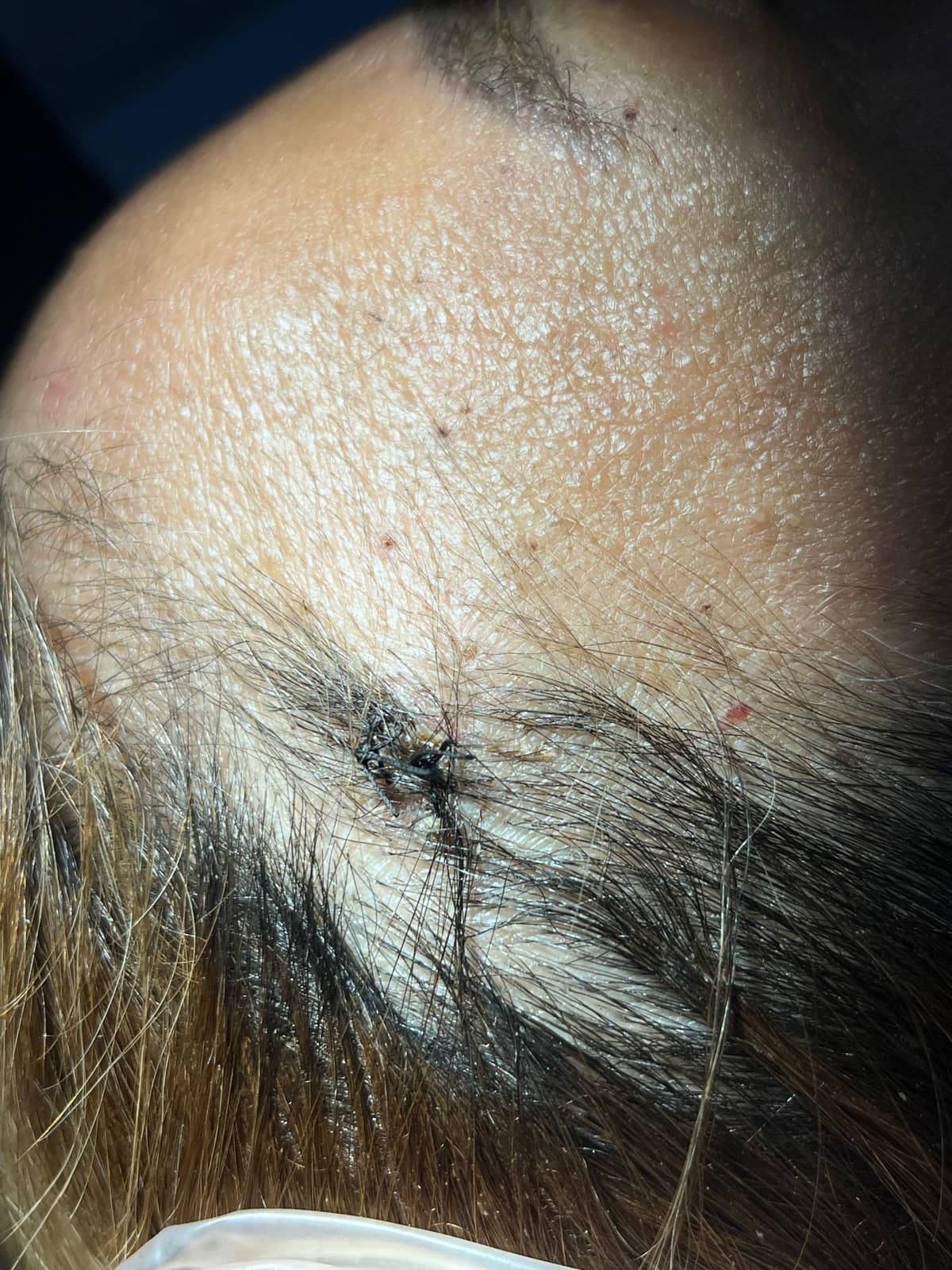
- During the first few days, avoid touching or applying pressure to the operated area.
- As far as possible, avoid prolonged exposure to direct sunlight and use sunscreen if needed.
- Avoid heavy exercise and activities that cause a sharp increase in heart rate during the first week.
- While sleeping, try not to apply direct pressure to the side of the face that underwent the operation.
- If you notice any unusual sign such as severe pain, widespread redness, or fever, be sure to contact your doctor.
Summary
S Lift is one of the most intelligent solutions for people seeking facial rejuvenation who do not want to enter the complex, lengthy process of open surgery or worry about an unnatural and artificial result. Thread-free, pain-free, with a small suture mark, accompanied by injection of the person's own natural rejuvenating substances and fibrin adhesive for a better and longer-lasting result, with a short recovery period of about one week and a natural, wrinkle-free result, this method has attracted the attention of many people seeking a fresher and younger appearance without making their face look mask-like or surprised.
If you are also considering a temple-area lift and want a natural, lasting, and striking result without the risks of major surgery, consulting an experienced specialist can be the right first step for you.
Frequently asked questions about S Lift
A smaller incision and fewer neurological complications with S Lift compared with the endoscopic method
Another advantage of S Lift is the smaller incision site and more limited tissue manipulation compared with endoscopic methods. In S Lift, the lift is performed through an incision about one centimeter long inside the hair; therefore, the extent of the incision and the area subjected to surgery and manipulation are more limited.
Given the more limited intervention site and degree of tissue manipulation, the likelihood of damage to or irritation of the area's nerve structures may also be lower. Neurological complications after surgery in the temple area may appear as numbness, tingling, reduced skin sensation, or, in rare cases, temporary movement disorders. The small incision and performance of the lift within a defined area in the S Lift method may help reduce the likelihood of such complications.
In the endoscopic method, the incisions are also small compared with open surgery, but a broader area beneath the skin is usually manipulated to insert instruments and a camera and to release the tissues. In contrast, with a small incision inside the hair and more limited tissue manipulation in S Lift, the aim is to reduce tissue damage and the likelihood of neurological complications as much as possible, in addition to creating a natural result.
Of course, the likelihood of complications in every surgical method depends on various factors, including each person's anatomy, the technique used, and the doctor's skill and experience, and the possibility of complications cannot be considered completely zero in any surgical method.