
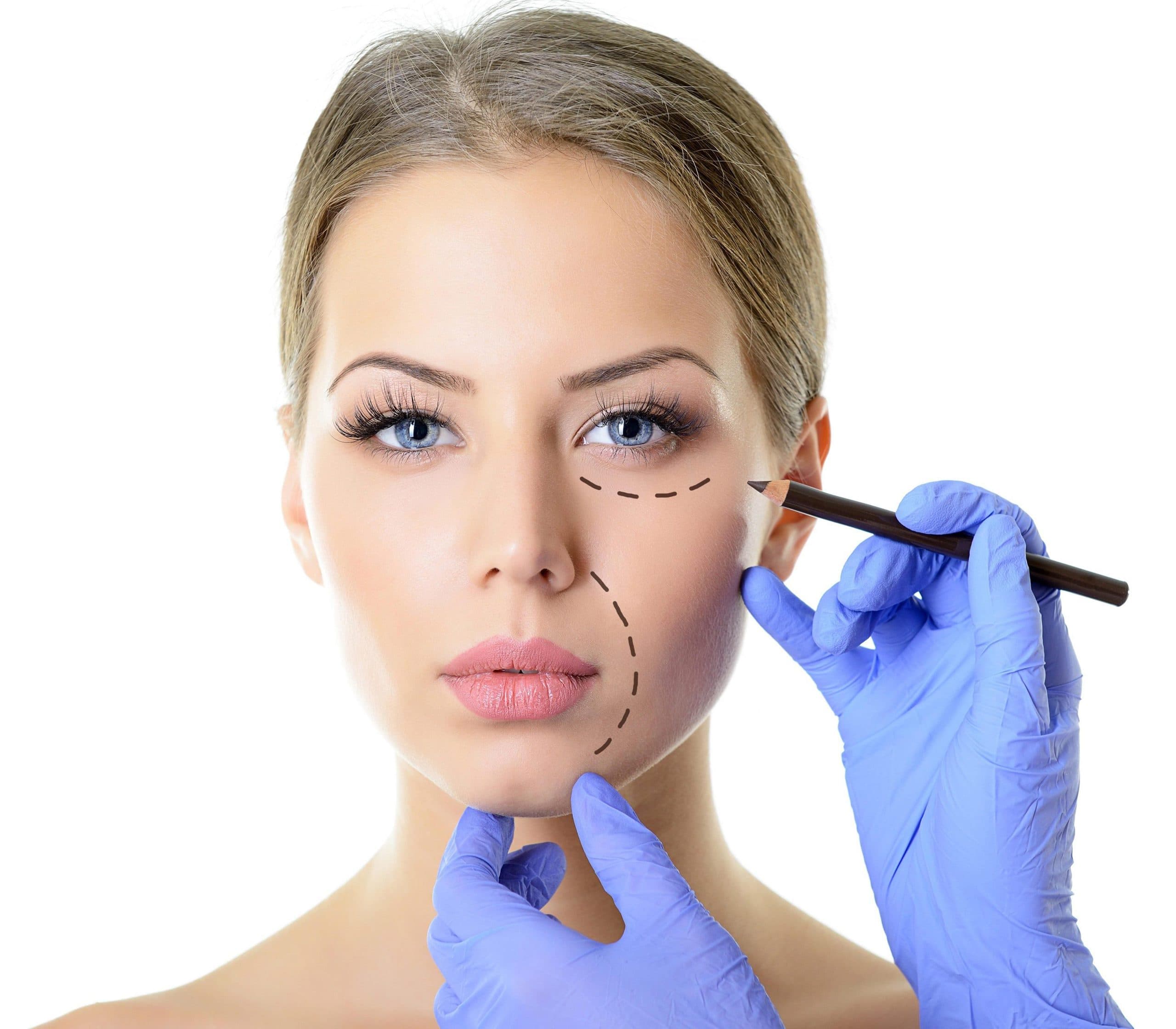
Blepharoplasty is a type of surgery performed on the eyelids. It is done to remove excess skin from the upper eyelids and to reduce puffiness in the lower eyelids. There are many reasons a person may develop under-eye bags, drooping eyelids, and other cosmetic concerns in the eye area. Aging in the eye area can have a significant effect on facial expression, often creating a tired, uninterested, or even angry look. Seeing a tired reflection can be discouraging and affect self-esteem. Blepharoplasty is also called an eyelid lift. Upper blepharoplasty is a distinct procedure from ptosis surgery, which corrects a drooping upper eyelid. Blepharoplasty usually involves removing excess skin, muscle, and underlying fat tissue, though sometimes the tissue can be repositioned rather than removed.
Why is blepharoplasty performed?
This surgery is usually performed for cosmetic reasons. Blepharoplasty is also an effective way to improve vision in older people whose drooping upper eyelid is obstructing their sight. Blepharoplasty, or an eyelid lift, does not remove dark circles under the eyes or other facial wrinkles. These issues are usually addressed with treatments such as Botox, laser resurfacing, filler injections, and face lifts, which can be performed alongside blepharoplasty.
What problems does blepharoplasty treat?
Loose or sagging skin that creates folds or disrupts the natural contour of the upper eyelid, sometimes impairing vision.
Fat deposits that appear as puffiness in the eyelids
Under-eye bags
Drooping lower eyelids that reveal white below the iris
Excess skin and fine wrinkles of the lower eyelid
Blepharoplasty as a treatment for eyelid aging
As we age, the skin gradually loses its elasticity. This loss of elasticity, combined with the constant pull of gravity, causes excess skin to gather on the upper and lower eyelids. Excess skin on the lower eyelid causes wrinkles and bulging. On the upper eyelids, an extra fold of skin can hang over the lashes and obstruct vision. The fat that separates the eyeball from the skull can cause bulging in the upper and lower eyelids. The thin membrane that holds this fat in place weakens with age, allowing the fat to protrude into the eyelids.
Who is a good candidate for blepharoplasty?
The best candidates for an eyelid lift are people who are in good health and have realistic expectations of what they want. Most people seeking this treatment are over 35, but if droopy or hooded eyelids run in your family, you may decide to have the surgery earlier.
Eyelid surgery, or blepharoplasty, can improve your appearance and help boost your self-confidence. However, it may not give you an idealized appearance or change the structure of your face. Before deciding to have surgery, think about your goals and discuss them with your surgeon.
Upper eyelid blepharoplasty
As we age, reduced collagen and elastin production can cause the eyelid skin to droop. This is called eyelid ptosis. Sometimes, the fibers connecting the muscles that open the eye separate with age, causing the upper eyelid to droop. This is called blepharoptosis, and your plastic surgeon can correct it with an upper blepharoplasty. It's also possible that, as connective fibers weaken with age, fat can push through the thin tissue of the upper eyelid, leading to puffiness or drooping.
Eyelid ptosis may also result from a drooping brow. Correcting this requires a brow lift. The cause(s) of your eyelid ptosis matter to your plastic surgeon so they can plan the surgery that's right for you. Your plastic surgeon will also run tests to assess whether you have dry eye. If you have dry eye, your surgeon needs to adjust the surgical approach and prepare you for appropriate post-operative planning. The degree of upper eyelid drooping may be severe enough to block part of your visual field. In that case, it becomes a medically necessary treatment, and you may be eligible for insurance coverage.
Steps of the blepharoplasty procedure
If blepharoplasty is performed on both the upper and lower eyelids, it usually takes about 2 hours. Your doctor will most likely use local anesthesia (medication injected around the eye) along with an oral sedative, or general anesthesia. If you have the procedure at a hospital or surgical center, you'll likely receive IV sedation. The surgeon usually makes incisions along your eyelids' natural creases. Through these incisions, your surgeon separates the skin from the underlying tissue and removes excess fat and skin (and muscle, if needed). The surgeon then closes the incisions with very small stitches. Stitches in the upper eyelids remain in place for 3–6 days. Depending on the technique used, the lower eyelids may not need stitches.
Lower eyelid surgery may be performed using one of several techniques. In one method, your surgeon makes an incision inside your lower eyelid to remove fat. That incision won't be visible. Your surgeon can then remove fine skin lines using a CO2 or erbium laser. Another method involves an incision along the lash line. Through that incision, your surgeon can remove excess skin, loose muscle, and fat. The incision line fades after a short time. After either of these methods, your surgeon may recommend laser resurfacing.
Important points after blepharoplasty surgery
You will most likely need someone else to drive you home after surgery. You should also have someone stay with you the night of the surgery. Your doctor will likely apply ointment to keep your eyes moist and cover them with cold compresses while you're in the recovery room. It's best to take a few days off work after surgery and limit your activities for several days afterward, until your eyelids heal. Immediately after surgery, your vision may be blurred from the ointment and you may be sensitive to light. Avoid strenuous exercise or bending over during the first week. Avoid eye makeup and alcohol for a few weeks.
Some people experience dry eye after surgery, but this rarely lasts more than 2 weeks. If dry eye lasts longer than 2 weeks, contact your doctor. Applying ice packs to the eyes and sleeping with your head elevated on the first night after surgery is recommended. Your doctor will give you detailed self-care instructions.
Results of blepharoplasty surgery
Upper eyelid surgery lasts a minimum of 5–7 years. Lower eyelid surgery rarely needs to be repeated. Of course, your eyes will continue to age after the procedure. If your eyelids droop again, a forehead lift, rather than another eyelid lift, may be the preferred approach.
Blepharoplasty recovery
After blepharoplasty, you'll have stitches in both eyelids that remain for up to a week. There is usually swelling and sometimes bruising, but your eyelids should look normal within one to two weeks.
Self-care at home after blepharoplasty
General self-care recommendations include the following:
Follow all care instructions. Apply the eye ointment as directed by your doctor.
Expect some pain and swelling around the eyes for a few weeks.
Avoid any impact to the eyes — for example, don't rub them.
Use a cool compress to help with discomfort and the feeling of dryness.
Protecting your eyes from sunlight is very important until healing is complete.
Report any bleeding, severe pain, or unusual symptoms to your doctor.
Complications of blepharoplasty surgery
Complications and unwanted outcomes from blepharoplasty are rare but can occasionally occur. They can include:
Bleeding
Infection
Dry eye
Abnormal eyelid discoloration
Eyelid skin that puckers abnormally inward or outward
Inability to fully close your eyes
The lower eyelid's lash line being pulled downward
Possible loss of vision
If you experience any of these complications, contact your doctor as soon as possible.
What is the alternative to blepharoplasty surgery?
There is no other medical alternative that can change the position of the eyelids or reshape them. Talking with a counselor or psychologist may help you work through concerns about your appearance, and you may decide to embrace how you look as you are.
Medical considerations related to blepharoplasty
Before blepharoplasty, you should discuss a range of medical issues with your doctor, including the following:
General health: an examination will help your doctor decide whether this treatment is right for you.
Medical history: certain medical conditions and past surgeries may affect decisions about this procedure, including the type of anesthesia used. In particular, you should inform your doctor of any eye conditions such as glaucoma, dry eye, excessive tearing, or retinal detachment; any thyroid disorders such as Graves' disease or hypo-/hyperthyroidism; any cardiovascular disease, diabetes, high blood pressure, and so on.
Eye exam: you may need to be evaluated by an ophthalmologist or eye specialist before surgery.
Risks and possible complications: it's important to understand the risks and complications so you can determine whether blepharoplasty is right for you.
Medications: tell your doctor about any medications you take regularly or have recently taken, including over-the-counter items such as fish oil and vitamin supplements.
Drug reactions: tell your doctor if you have ever had a bad reaction or side effect from any medication, including anesthesia.
Preparing for surgery: your doctor will give you detailed instructions on what to do at home to prepare for surgery. For example, you may be advised to take a specific medication or adjust the dose of a current one. Follow all instructions carefully.