
Introduction
Jaw surgery is one of the most complex procedures in jaw and facial surgery, performed to correct jaw irregularities, temporomandibular joint (TMJ) problems, or misalignment between the upper and lower jaw. But the end of surgery isn't the end of the treatment journey! To achieve lasting results, reduce possible complications, and fully restore jaw function, physiotherapy after jaw surgery plays a key role.
In this article, you'll learn about the necessity, benefits, and various methods of jaw physiotherapy after surgery. We'll also go over effective exercises and answer common patient questions.
Why is physiotherapy necessary after jaw surgery?
During surgery, the muscles, joints, and tissues around the jaw undergo pressure and structural changes. This can lead to:
Jaw muscle stiffness
Reduced range of motion
Difficulty chewing and speaking
Chronic jaw and neck pain
Increased likelihood of temporomandibular joint (TMJ) problems
Physiotherapy helps restore normal jaw function, reduce pain, increase muscle flexibility, and speed up recovery. In fact, without physiotherapy, the risk of certain irregularities returning or secondary complications occurring is higher.
Benefits of physiotherapy after jaw surgery
1. Reducing pain and inflammation
Using techniques such as ultrasound, laser therapy, and therapeutic massage helps reduce pain and swelling after surgery.
2. Increasing the jaw's range of motion
Regular stretching exercises strengthen the jaw muscles and joints and prevent stiffness and restricted movement.
3. Preventing temporomandibular joint (TMJ) complications
Physiotherapy helps prevent TMJ disorders, which can involve clicking, locking, or jaw pain.
4. Improving speech and chewing function
Many patients experience difficulty speaking and eating after surgery. Specialized exercises can gradually restore these functions.
5. Reducing anxiety and improving quality of life
A proper treatment process, especially with the support of a specialized physiotherapist, reduces the patient's stress and boosts their confidence.
When should physiotherapy begin?
The timing for starting physiotherapy after jaw surgery depends on the type of surgery and the patient's physical condition, but sessions usually begin between the first and third week after surgery, depending on the surgeon's recommendation. Starting physiotherapy early helps prevent joint stiffness and leads to faster recovery.
Different methods of jaw physiotherapy
Manual therapy
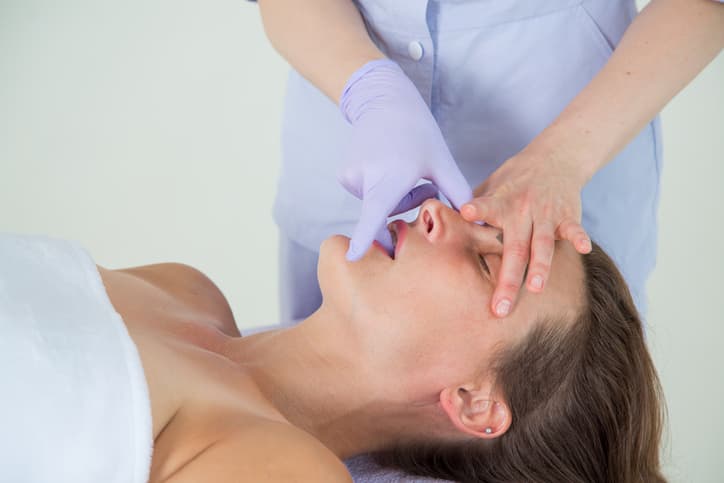
The physiotherapist's manual techniques include deep massage of the jaw, neck, and facial muscles to reduce tension and improve blood circulation.
Jaw and neck therapeutic exercises
The patient helps improve function through simple exercises such as controlled opening and closing of the jaw, lateral jaw movements, and isometric exercises.
Ultrasound and laser therapy
These techniques increase blood circulation, reduce inflammation, and help repair damaged tissue.
Electrical stimulation (TENS)
By stimulating the nerves and muscles, this helps reduce pain and improve nerve function.
Home exercises under a physiotherapist's guidance
Alongside treatment sessions, exercises such as warm compresses, breathing exercises, and simple stretching movements should be done at home.
Sample useful exercises for jaw physiotherapy at home
⚠️ These exercises should only be done with a doctor's or physiotherapist's approval:
Opening and closing the jaw with gentle pressure in front of a mirror (3 times daily, 5 repetitions each time)
Moving the jaw side to side slowly, without causing pain
Warm compress on the jaw for 15 minutes before exercising
Neck and shoulder rotation exercises to reduce surrounding muscle tension
Who needs specialized physiotherapy the most?
Patients with a history of temporomandibular joint (TMJ) disorders
People who have had complex double-jaw surgery
Older adults with reduced muscle mass
Patients with underlying neurological or musculoskeletal conditions
Answers to frequently asked questions about physiotherapy after jaw surgery
Is physiotherapy necessary for everyone?
Yes. Even in milder surgical cases, physiotherapy exercises and techniques speed up recovery and help maintain surgical results.
How many physiotherapy sessions does it take?
The number of sessions varies depending on the patient's condition, but typically 10 to 20 initial sessions are recommended.
Is physiotherapy painful?
In the early stages, there may be some discomfort, but as the tissues heal, the pain gradually decreases.
Conclusion
Physiotherapy after jaw surgery is a very important stage in the patient's rehabilitation process. Not only is it effective in speeding up recovery and reducing pain, but it also plays a key role in preventing serious complications such as jaw stiffness and functional irregularities.
If you've recently had jaw surgery, we recommend consulting Dr. Alireza Sadighi's clinic and scheduling the start of specialized physiotherapy.