
Introduction
Dental implant placement is one of the most effective and scientifically grounded ways to replace missing teeth. This method not only restores the beauty of your smile but also revives the natural function of your teeth. It's natural for patients to have many questions, concerns, and uncertainties before deciding on this treatment — especially if you live in Tabriz and want to use the services of a reputable, professional dentist such as Dr. Alireza Sadighi. In this article, we cover the most common questions about dental implants and provide clear, complete, scientifically grounded answers in plain language, so you can go through your treatment path fully informed and at ease.
Question 1: What exactly is a dental implant, and what components does it consist of?
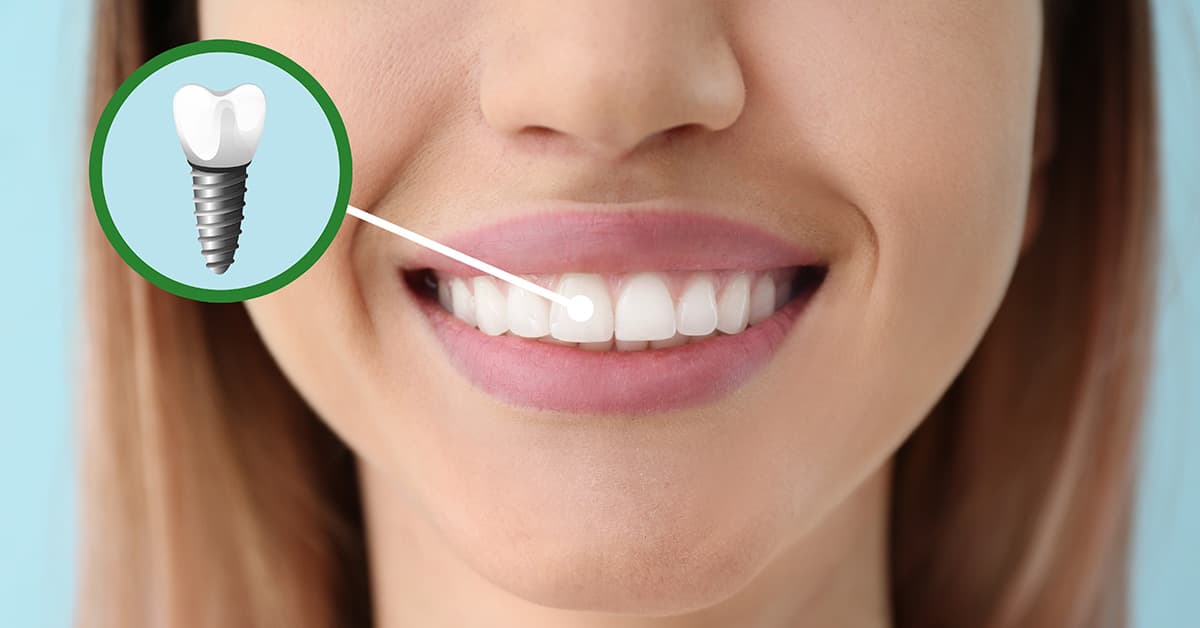
A dental implant is a metal base, usually made of titanium, placed inside the jawbone as an artificial tooth root. After it fuses with the jawbone (osseointegration), a part called the abutment is attached to it, and finally a crown resembling a natural tooth is placed on top.
Dr. Sadighi's answer: A dental implant functions exactly like a natural tooth, and because it connects directly with the bone, it has very high stability. It also prevents jawbone resorption and increases patients' confidence when speaking and eating.
Question 2: Is implant placement painful, or does it cause any particular discomfort?
Dr. Sadighi's answer: Under normal circumstances, no. At our clinic, using local anesthesia and advanced equipment, the implant placement process is carried out without pain. Of course, after surgery there may be some mild swelling or discomfort, which is fully manageable with simple painkillers. Many of our patients are surprised by how comfortable and stress-free this procedure is.
🔗 More information on pain-free implants in this Colgate article
Question 3: How long does the implant placement process take, and what are its stages?
Dr. Sadighi's answer: The full process includes several stages: first, consultation and imaging, then surgery and placement of the implant base, followed by a period for the base to fuse with the bone, which takes about 3 to 6 months. In the final stage, the crown is placed on the base. In certain situations, a same-day implant can be used, where the base and a temporary crown are placed in the same session.
Question 4: How much do dental implants cost in Tabriz, and what factors affect the price?
Dr. Sadighi's answer: The price of an implant depends on various factors, including the implant brand (such as Straumann, Neodent, or MegaGen), the need for supplementary procedures like a sinus lift or bone graft, the number of implant units, and even the patient's general health. At our clinic, we work to keep pricing fully transparent and fair, along with a free consultation before treatment begins.
💡 Click here for a consultation and current implant pricing in Tabriz
Question 5: Who is the best dentist for implants in Tabriz?
Dr. Sadighi's answer: Choosing a specialized, experienced dentist plays a very important role in the success of an implant.
Dr. Alireza Sadighi, with over 15 years of experience in implant surgery, the use of current global technology, and a strong track record of successful patients, is recognized as one of the leading implant specialists in Tabriz.
Question 6: Can everyone get an implant? What conditions are required?
Dr. Sadighi's answer: In most cases, yes. But to assess whether an implant is possible, we need to evaluate jawbone density, gum health, and control of conditions such as diabetes. Even if bone density isn't sufficient, this can be addressed with methods such as bone grafting. Smoking may also slow the healing process, but it isn't an absolute barrier to getting an implant.
Question 7: How long do implants last?
Dr. Sadighi's answer: If the implant is placed correctly and the patient maintains good oral hygiene, it can last a lifetime. Quality implants, with proper care, can even outlast natural teeth.
Question 8: What complications might occur after an implant?
Dr. Sadighi's answer: In rare cases, infection, bleeding, or implant failure due to lack of fusion with the bone may occur. However, by choosing a skilled doctor, maintaining hygiene, and following post-surgical instructions, these complications are minimized.
Question 9: What problems might arise if I don't get an implant?
Dr. Sadighi's answer: A gap left by a missing tooth causes gradual resorption of the jawbone, shifting of neighboring teeth, reduced chewing function, and even changes to facial shape. Over the long term, this can create digestive and appearance-related issues. An implant is not only a treatment but also a preventive measure for maintaining your oral and overall health.
Question 10: How long after a tooth extraction can an implant be placed?
Dr. Sadighi's answer: Depending on the condition of the bone, in some cases an implant can be placed immediately after tooth extraction (a same-day implant). Otherwise, it may be necessary to wait a few weeks to a few months for the bone and gum to be ready to receive the implant base. The final decision is made after reviewing a CBCT scan.
Summary
If you live in Tabriz or Tehran and are looking for a quality, pain-free implant with high durability, we recommend visiting Dr. Alireza Sadighi's specialized clinic. With advanced equipment, an experienced treatment team, and a strong track record of successful implants, this clinic is one of the most reliable options in Tabriz and Tehran.
✅ To book a free consultation with Dr. Sadighi right now, visit the official website www.dralirezasadighi.com.